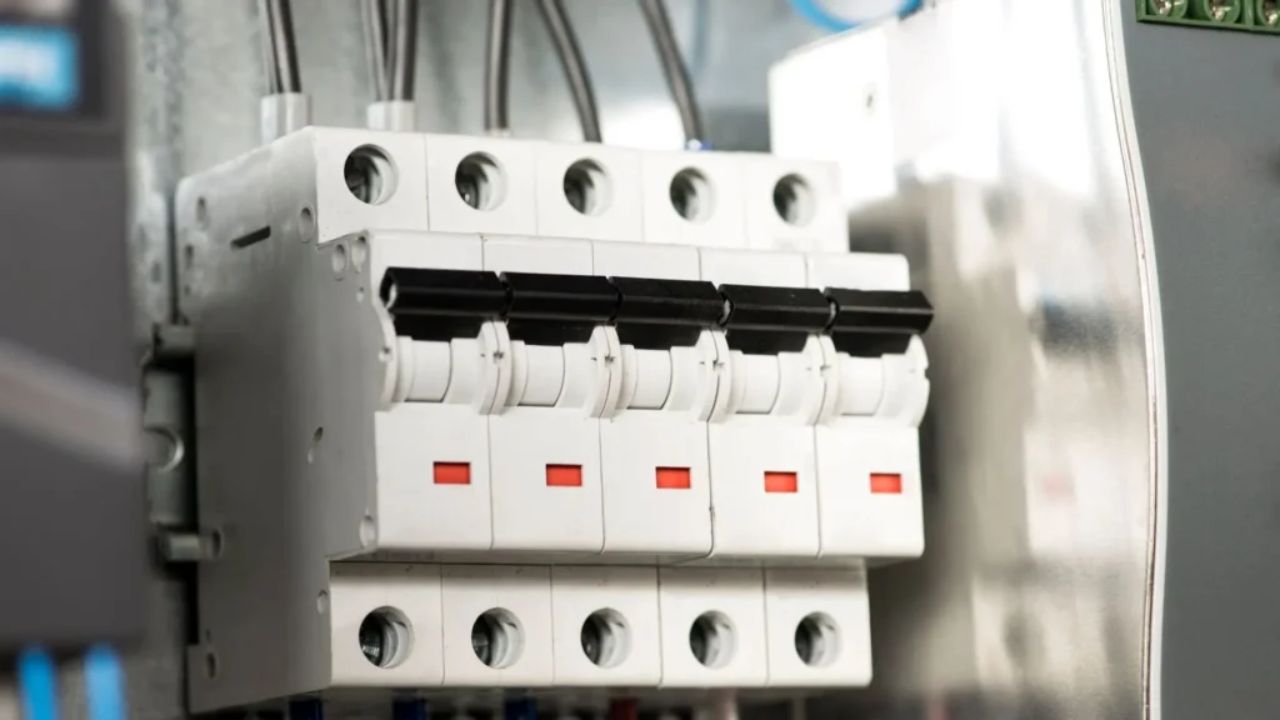
Safety and reliability are not negotiable factors in a modern electrical system. A major specification that usually defines the two is the kA rating of a circuit breaker. The ka rating is the so-called breaking capacity or interrupting rating, indicating the maximum fault current that can be safely interrupted by a breaker. Whereas ampere ratings control the normal load, the kA rating has only one aim, which is the emergency. It makes sure that when a short surge of the circuit occurs, the breaker will interrupt the current in a safe manner that will prevent damage to equipment, property, and people.
The Safety Implications of kA Rating
The importance of the kA rating is much more than the safeguarding of equipment. Fault current exceeding the breaker’s current-limiting fuse value may cause a violent failure of a breaker, resulting in arc flashes, explosions, or fires. In industrial applications, where large fault currents are produced by heavy equipment and large-power motors, a breaker that is under-rated may cause severe injuries, loss of operational time, and expensive equipment losses. Appropriately rated breakers are thus necessary in ensuring that the working environment is safe.
Compliance with International Standards
The other motive why the kA rating cannot be overlooked is the adherence to international safety standards. Circuit breaker requirements are outlined in regulations like IEC 60947 and UL 489, which specify circuit breaker performance requirements, including interrupting capacities. Choosing breakers with current-limiting capacities at or above the anticipated fault current is one way to be legally compliant, gain market acceptance and belief in system safety. This compliance is very important not only in safety but also in credibility and customer trust in the manufacturers and system integrators.
Enhancing System Reliability
System reliability is also a direct result of the kA rating. Properly rated breakers inhibit cascading failures, whereby one fault can cause the failure of a whole electrical system. This remains particularly significant in sensitive systems like data centers, hospitals and industrial plants where a failure to deliver on time can lead to massive loss of financial resources and operations. A breaker of correct rating ensures continuity even in abnormal circumstances, contributing to safety and productivity.
Advanced Terminology: ICU vs. ICS
The conceptual knowledge of such related terms as Icu and Ics demonstrates the practical significance of kA ratings. Icu or ultimate short-circuit breaking capacity is the largest fault current that a breaker can interrupt in one instance. ICS or service short-circuit breaking capacity is the capacity to clear several faults and continue operating. The selection of breakers that have the right Ics rating is important in the system, whereby the uptime is a critical factor, such that the protective devices do not require regular upkeep.
Balancing Safety and Cost
Although it is not uncommon to use higher-rated breakers with more solid construction and sophisticated arc-extinguishing systems that are expensive, underspecifying the kA ratio can be much more expensive. Damage to equipment, downtime, safety accidents, and fines imposed by numerous regulations could easily be much more important than the initial savings. During the selection of the appropriate breaker to use in the system, engineers and designers need to strike a balance between cost, safety, and compliance.
Partnering with Reliable Manufacturers
It is not only a choice of the breaker with the right kA rating. Having a reputed and trusted manufacturer means that the breakers are of high quality and testing. Sellers who have experience may advise on the breakers to be chosen according to the needs of the system, give the correct ratings, and adhere to the global standards. This joint venture minimises the likelihood of equipment malfunction and is also a guarantee of the safety of the installation during its use.
Future-Proofing Electrical Systems
The future-proofing of electrical systems is also achieved by the investment in breakers with a correct kA rating. With the growth of industrial plants and commercial constructions, the necessities of electrical networks may increase, and the levels of fault current may increase. The selection of breakers with a sufficient kA rating today allows an assurance that a system will support growth and changes in the future without undermining its safety or necessitating expensive replacement. Such a proactive strategy helps to achieve long-term stability, efficiency of operations, and adherence to changing standards.
Conclusion
Cornerstone of electrical safety, reliability in a system and regulatory compliance is the kA rating. It helps to make sure that circuit breakers can perform in worst-case scenarios without failure and protect personnel, equipment, and operations. The correct consideration of this specification, as well as the use of qualified manufacturers, ensures safe and dependable electrical installations. Disregarding the significance of the kA rating puts systems at risk and even into disaster.