How to Match a Tent to the Conditions It Will Actually Face — and Why Generic Specs Miss the Point
A tent spec sheet tells you the hydrostatic head rating, the pole material, the floor thickness, the packed weight, and the number of doors. What it doesn’t tell you is whether this tent will handle a sustained 30mph wind on an exposed ridgeline, stay dry during a six-hour downpour at a festival, pack small enough to matter on a multi-day trek, or set up quickly enough in the dark after a long travel day. Those outcomes come from matching specific features to specific conditions — and generic specifications describe a tent in a vacuum, not in the environment it’s going to face.
The match matters because a tent that’s overkill for a calm summer campground is heavy, expensive, and difficult to set up. A tent that’s underpowered for an exposed coastal site is a sleepless, potentially dangerous experience. Understanding what conditions you’re actually buying for is the prerequisite to buying well.
Three-season camping: where most tents live and what it actually requires
Three-season tents are designed for spring through fall conditions: rain, moderate wind, and temperatures that don’t require the structure to hold heat against cold. This is the most common use case and the widest product category.
The defining characteristics of a good three-season tent are ventilation and rain protection in balance. Warm nights generate condensation inside a tent. A well-ventilated tent moves that moisture out through mesh panels and strategic vent placement, keeping the interior drier and cooler. A poorly ventilated tent traps moisture, and the interior walls drip onto sleeping bags and gear. This condensation problem is frequently misdiagnosed as a leak — the tent appears to be letting water in, but the water is forming from inside.
Rain protection in three-season use comes primarily from the rainfly coverage and the bathtub floor construction. A rainfly that extends close to the ground provides better wind-driven rain protection than one that leaves a significant gap. A bathtub floor — where the waterproof material extends several inches up the tent wall before the main fabric begins — prevents ground water from wicking up through a seam at the floor edge. These two features together handle the majority of rain conditions a three-season camper will encounter.
High-altitude and alpine conditions: what changes
Above treeline and in mountain environments, the variables shift significantly. Wind becomes the primary structural concern rather than rain. An alpine tent needs to shed wind efficiently, which means a lower profile and more acute geometry. Dome and geodesic designs distribute wind load across multiple crossing poles, which is why they dominate technical mountaineering applications. Cabin-style tents with vertical walls catch wind like a sail.
Snow loading is the other alpine consideration. A tent designed for rain will have panels optimized for water runoff. A tent designed for snow use needs panels that prevent snow accumulation — snow is heavy, and a large dome covered in wet snow can exceed the structural limits of poles designed for a lighter load. Alpine tents address this with steeper angles that slide snow off rather than letting it accumulate.
Weight matters in alpine use in a way it doesn’t at a car campsite. Every additional 500 grams is felt over a long approach day. The engineering tradeoff between weight reduction and structural performance is the core design challenge of technical mountain tents, and it explains why high-quality alpine tents cost significantly more than general-purpose alternatives — the materials and geometry are genuinely more demanding.
Festival and event use: a different set of priorities entirely
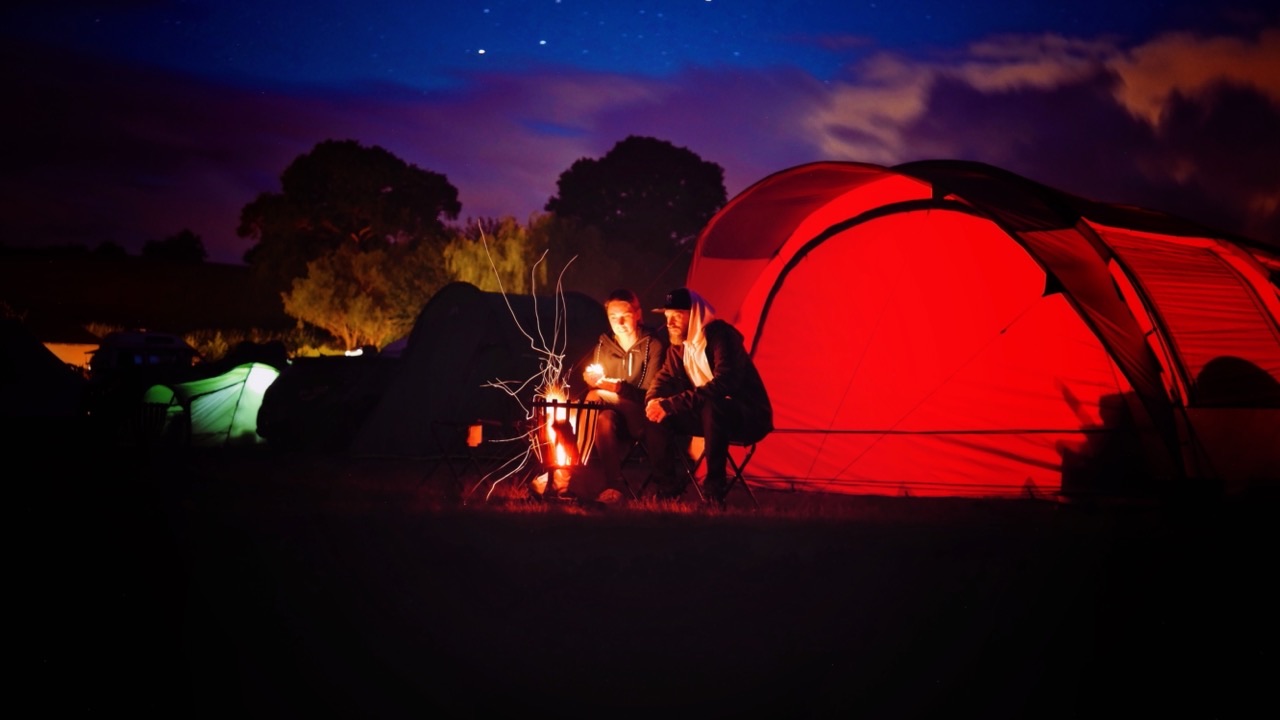
Outdoor festivals present conditions that don’t appear in most tent spec comparisons: large numbers of people setting up tents in close proximity, variable ground (gravel, packed grass, soft mud), and a premium on fast setup over optimal performance.
For festival use, setup speed and simplicity trump almost everything else. A tent that requires careful attention to guy line placement and precise pole alignment is a liability when it’s being assembled in the dark, possibly in light rain, by people who may not have practiced the setup before. Freestanding dome tents that spring into shape with a single pole system are disproportionately popular at festivals for exactly this reason — they’re forgiving of imprecise setup.
Floor durability matters more at festivals than at dispersed campsites. Packed ground with rocks and debris, high foot traffic in and out of the tent, and the general rougher handling of temporary accommodation all test floor materials more aggressively than a single-night campsite. A heavier floor denier is worth the weight penalty in this context.
Humanitarian and disaster relief: the procurement context that gets least attention
Emergency shelter applications have a completely different specification profile than recreational camping. Setup must be achievable by people with minimal training. The tent must be durable enough for extended fixed-site use, not just overnight trips. Size and occupancy ratings need to accommodate realistic use rather than rated minimums.
For relief applications, color often matters beyond aesthetics — neutral colors that don’t heat excessively in sun, or high-visibility colors for search and rescue, depending on the application. Repairability in the field — whether a broken pole can be splinted, whether a torn seam can be patched with accessible materials — is a feature that rarely appears in recreational spec sheets but matters significantly for equipment that may need to function for months without supply chain support.
For buyers sourcing from a tent manufacturer at volume for any of these applications, the starting point is a precise description of the use environment: what weather, what ground conditions, what user profile, what duration of use. A manufacturer who asks these questions before recommending a product is engaging with the actual problem. One who leads with a catalog is leaving the matching work to the buyer.
The tent that performs best is the one that was designed for the conditions it faces. Getting that match right starts with being specific about the conditions.