How to Structure a First Order With a New Timing Belt Manufacturer to Reduce Supply Risk
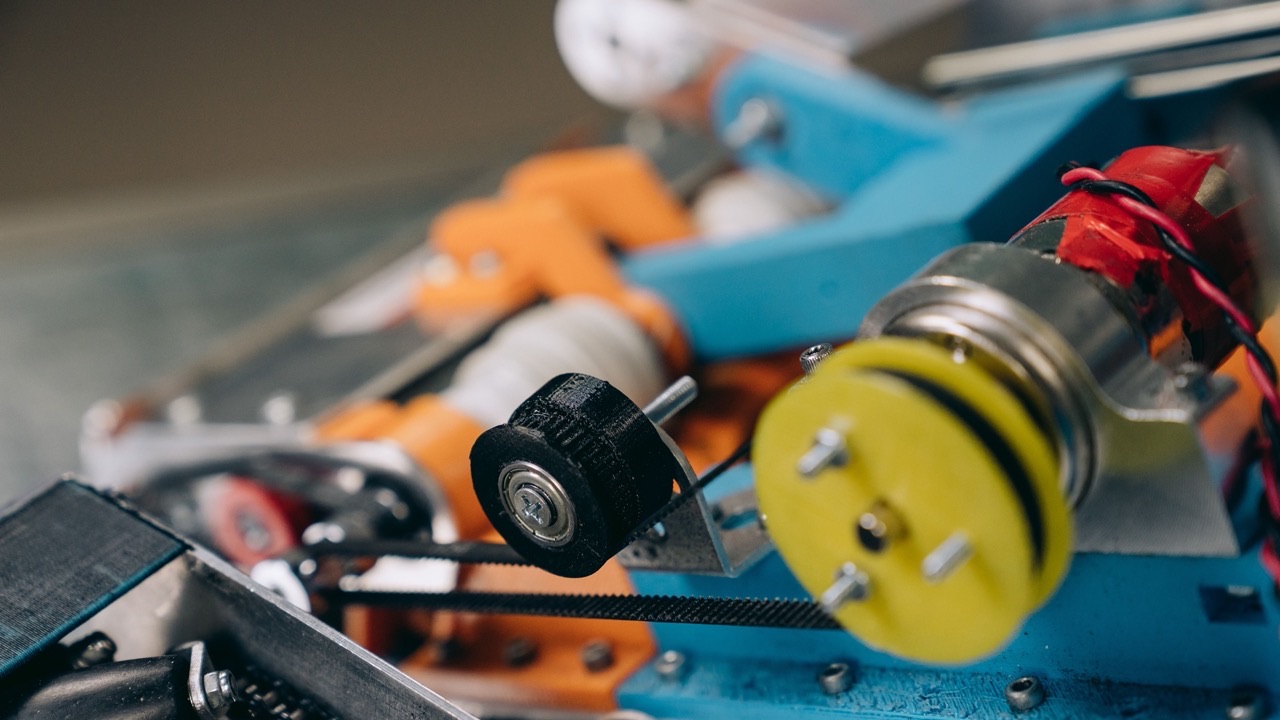
A first order with a new timing belt manufacturer is a test of the relationship as much as it is a procurement transaction. The product matters, but so does what the interaction reveals about how the manufacturer operates — their responsiveness, their handling of technical questions, their accuracy on lead time, and their documentation practices. Structuring the first order to gather that information, rather than just to acquire product, is how buyers reduce the risk that a second or third order will expose a problem they wish they’d caught earlier.
The structure isn’t complicated. It’s mostly a matter of being deliberate about what you’re testing and what constitutes a pass.
Start With a Quantity You Can Afford to Have Wrong
The first order with a new manufacturer shouldn’t be the largest order you’re likely to place, even if the economics favor higher volume. The per-unit cost difference between a smaller first order and a full production run is the cost of information about whether this supplier can be trusted with larger quantities.
What you’re trying to establish is whether the product you receive matches the sample you approved, whether the lead time quote is accurate, and whether the shipping and documentation meet your requirements. None of these questions can be answered from a quote or a conversation — they’re answered by running an order through the process.
Keep the first order at a volume where a quality failure doesn’t create a production emergency. If the belts arrive with a dimensional issue or a compound that doesn’t match spec, you need time to source replacement product without shutting down your line. A large first order that fails forces an urgent recovery; a small first order that fails is an inconvenient but manageable learning experience.
Define the Acceptance Standard Before Production Starts
The most common source of disputes on first orders is ambiguity about what “correct” means. Both parties believed they agreed on the specification, but the customer’s interpretation and the manufacturer’s interpretation turn out to differ on something that matters — compound hardness, tooth profile tolerance, tensile cord type, packaging condition.
Before production starts, put the acceptance standard in writing and get the manufacturer’s confirmation that they’re producing to it. Specifically: the belt specification (pitch, width, length, material), the tensile cord specification, any compound or coating requirements, dimensional tolerances for critical dimensions, and the defect criteria that will be used for incoming inspection.
This document serves two purposes. It gives the manufacturer a clear target, which reduces the probability of production errors that result from interpretation. And it gives you a reference point for incoming inspection that doesn’t depend on memory of what was discussed months earlier. When product arrives and there’s a question about whether it meets spec, you compare it to the document rather than arguing about what was said.
Request Documentation That Verifies Process Control
A sample that passes inspection tells you that the specific units you tested met the specification. Documentation from the manufacturer tells you something about the process that produced all the units in the shipment, including the ones you didn’t test.
Request a certificate of conformance with the first order — a signed statement from the manufacturer that the shipment was produced to the agreed specification. This is standard for industrial components and any manufacturer with a functioning quality system will provide it without difficulty. If a manufacturer resists or is unfamiliar with this request, that’s worth noting.
For applications where consistency across the batch is critical, also request lot-level dimensional data — the measurements taken during production on a sample of units from the run. This data shows whether the process was in control throughout production or whether there was variation that the final inspection might have missed. Not every manufacturer generates this data routinely, but the question of whether they can provide it tells you about the sophistication of their quality system.
Run a Structured Incoming Inspection
Whatever you agreed to inspect, actually inspect it according to a plan rather than spot-checking the top of the box. For timing belts, the critical incoming checks are typically: overall dimensions (pitch, width, length within tolerance), tooth profile consistency, tensile strength on a sample pulled from the lot, and surface condition.
The inspection result, whether pass or fail, is useful information. A pass on a well-defined inspection protocol gives you more confidence than a visual check that everything looks fine. A failure on a documented inspection is a clear basis for a commercial conversation rather than a vague complaint that “the product seems off.”
Keep the inspection records for the first several orders. The pattern across multiple shipments tells you more than any single inspection — whether variation is random or trending in a direction, whether the product is consistently above or below tolerance limits, whether the same issue appears repeatedly.
Pay Attention to Everything That Isn’t the Product
The first order also tells you how the manufacturer handles the non-product elements of the transaction. Was the lead time accurate, or did it slip and by how much and with what notice? Were the shipping documents correct and complete? Did they respond to questions during production promptly? Was the packing appropriate for the product type and transit mode?
These details predict how subsequent orders will go. A manufacturer who is reliable on product but consistently generates documentation errors creates an ongoing administrative burden. One who quotes accurate lead times is easier to plan around than one whose quotes are optimistic. These aren’t disqualifying factors on their own, but they’re part of the picture.
When evaluating whether to develop a longer-term relationship with a timing belt manufacturer, the first order is the data collection phase. The decision to expand volume or consolidate to that supplier should follow from what the first order actually showed, not from the initial pitch or the sample review.